Quiet on hard snow
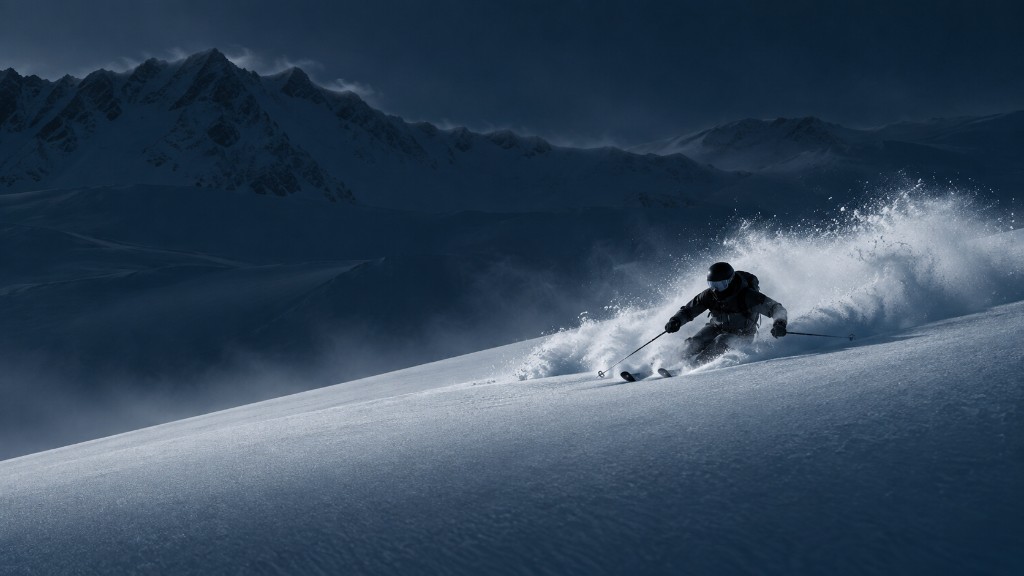
Smoother ride. Progressive flex. Flax naturally absorbs vibration, so chatter drops and a full day stays quieter underfoot.
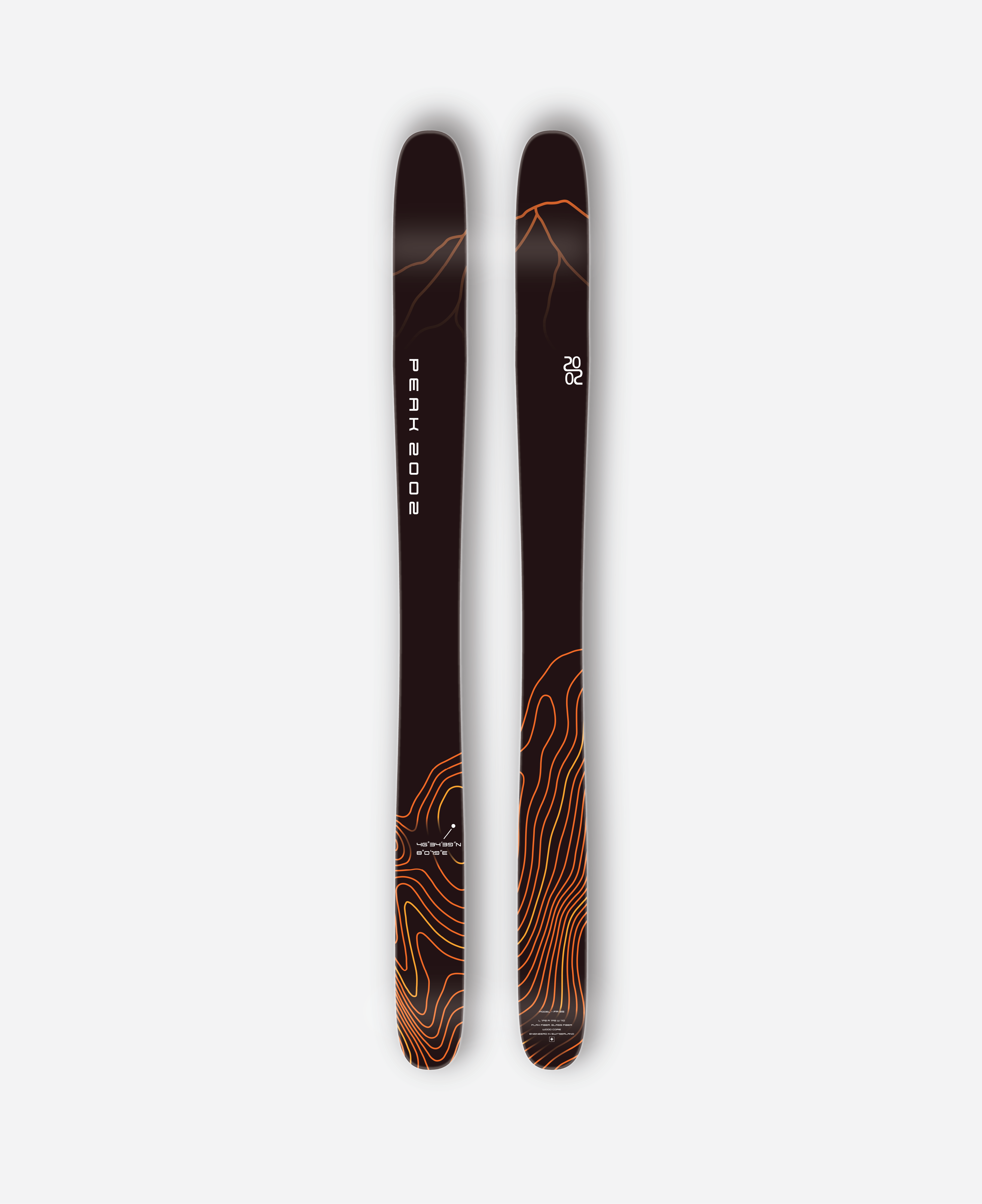
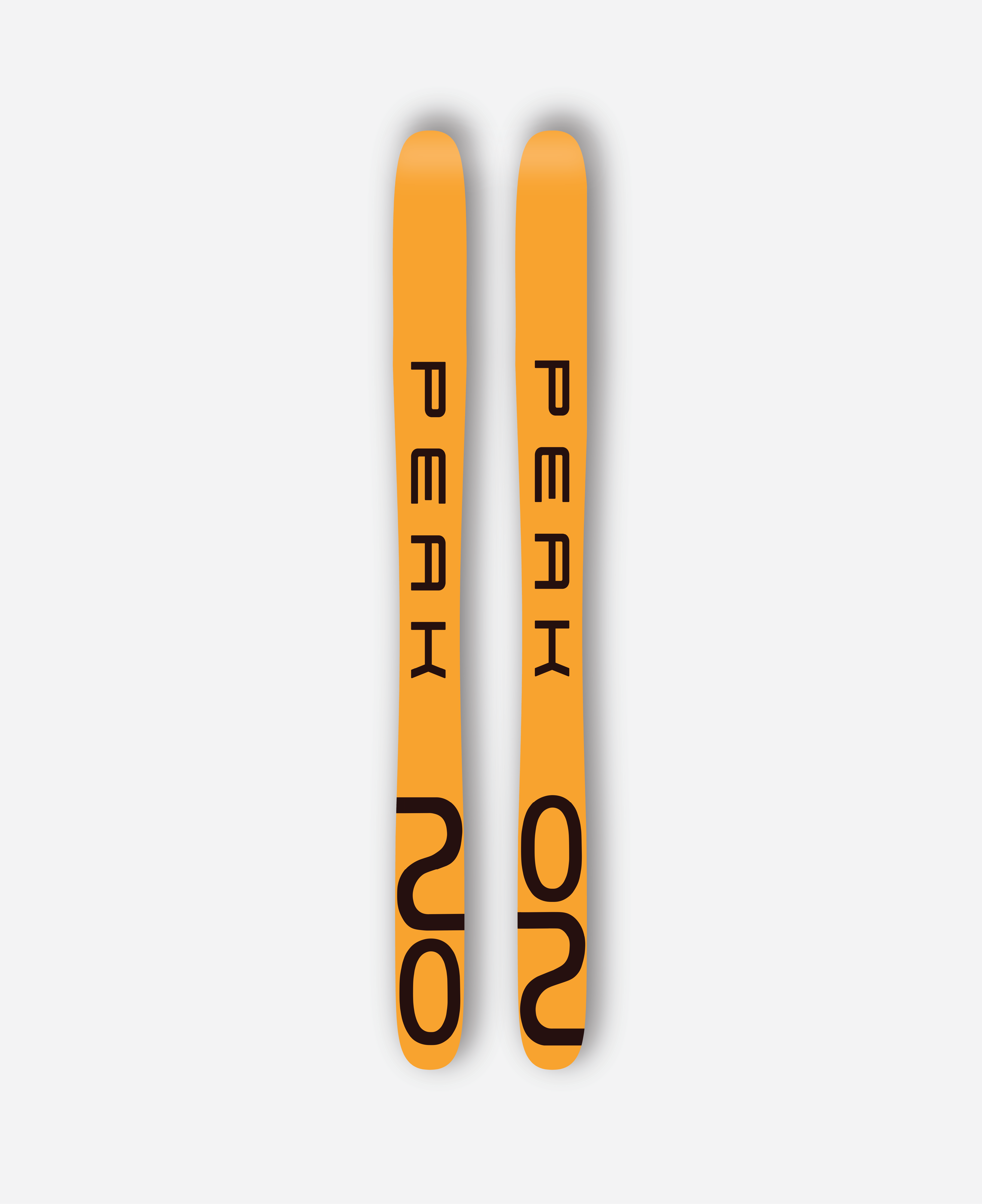
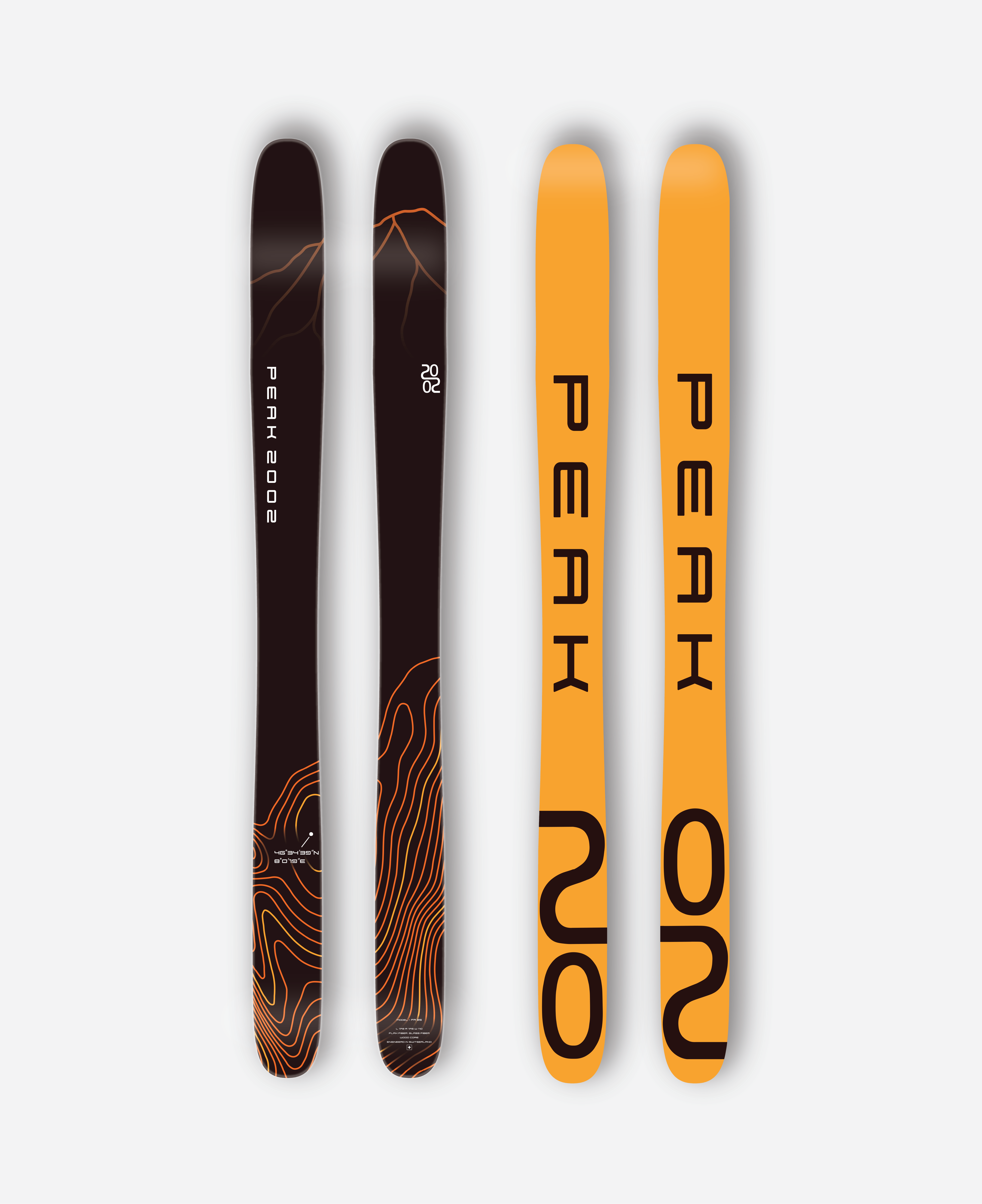
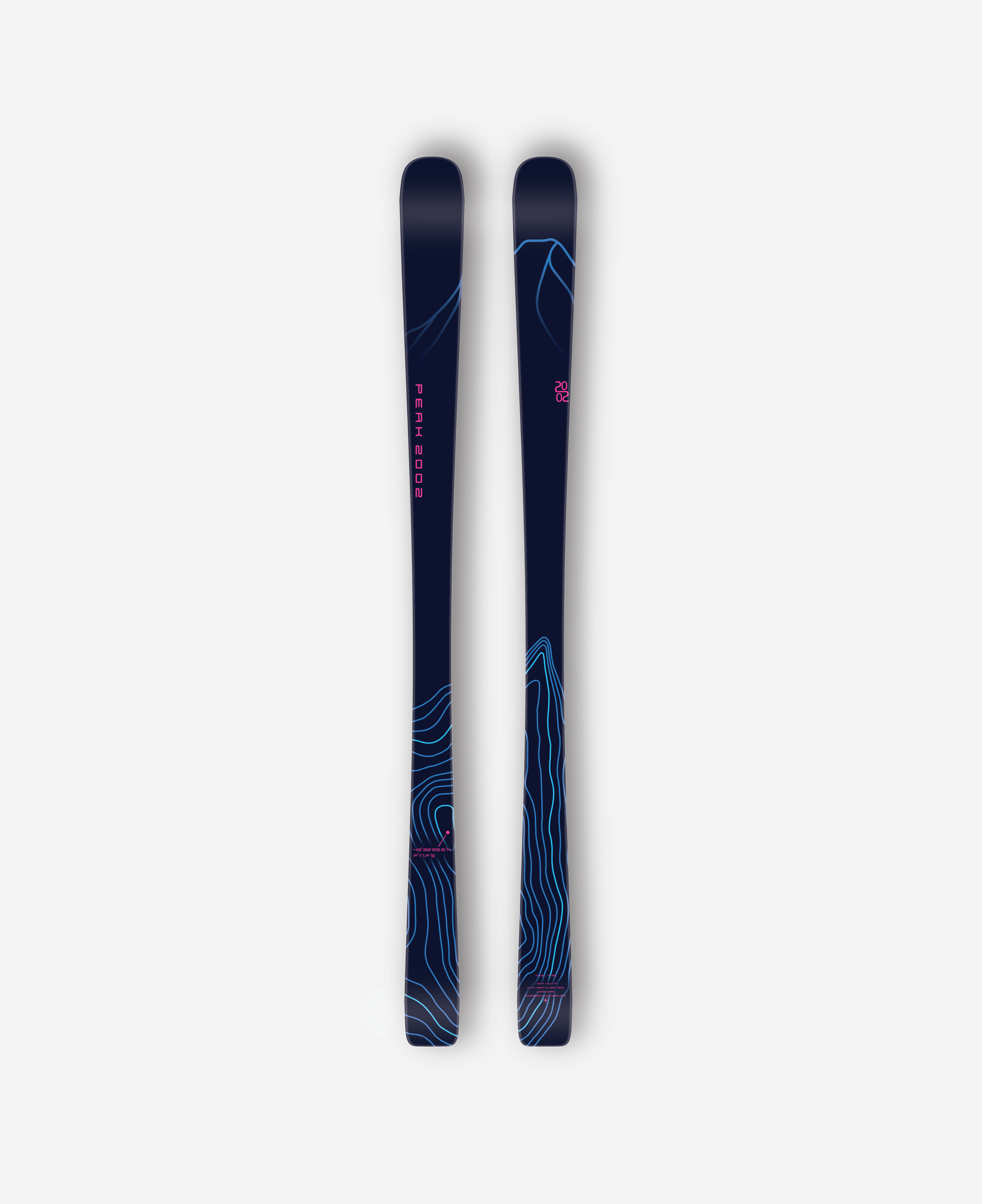
The Freeride FR 110 is for days when the map stops being useful. It stays composed when the snow changes underfoot, and it still lets you drive the ski when you find a packed line out.
Side profile

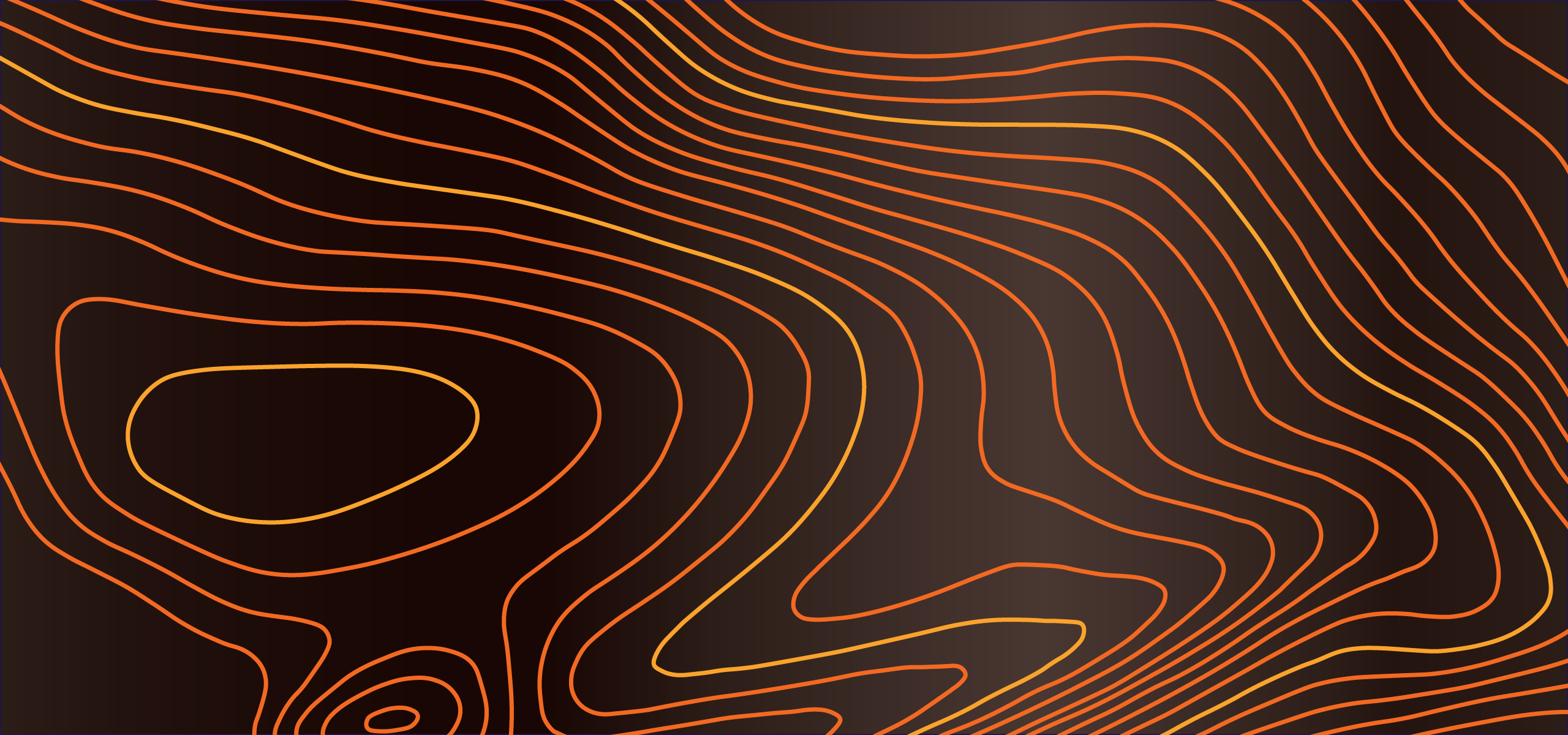
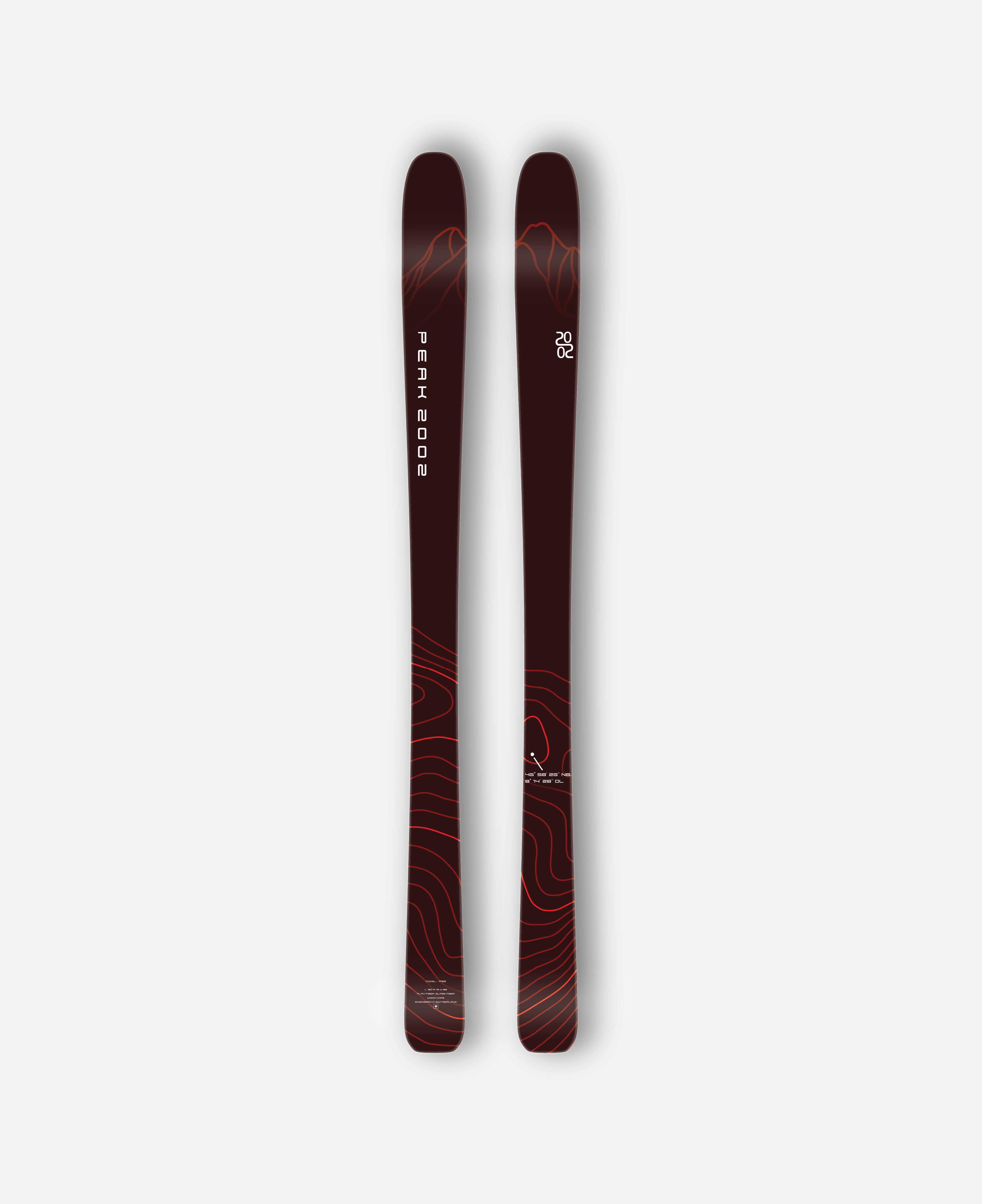
Eiger Brown
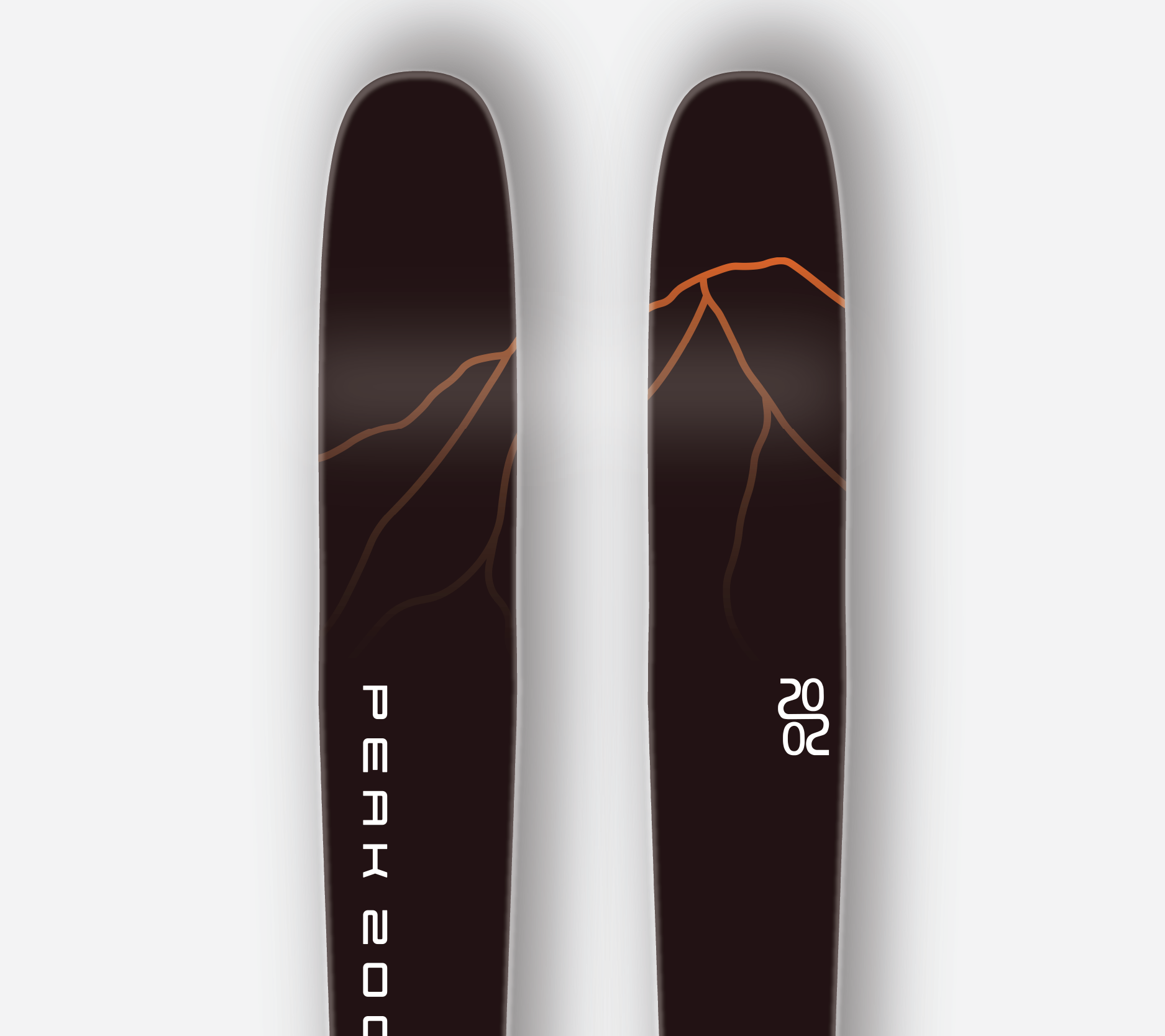
Built from clean contour lines and a single ridge silhouette. The lower section references altitude lines, the upper cut suggests the peak line. It stays warm and grounded, with brown-to-orange lines that flare when the light hits.
Smoother ride. Progressive flex. Flax naturally absorbs vibration, so chatter drops and a full day stays quieter underfoot.

Flax damping keeps the wide platform calm at speed in chopped snow. Flax replaces carbon fibre in the reinforcement. Ride performance is being tuned in on-snow tests.
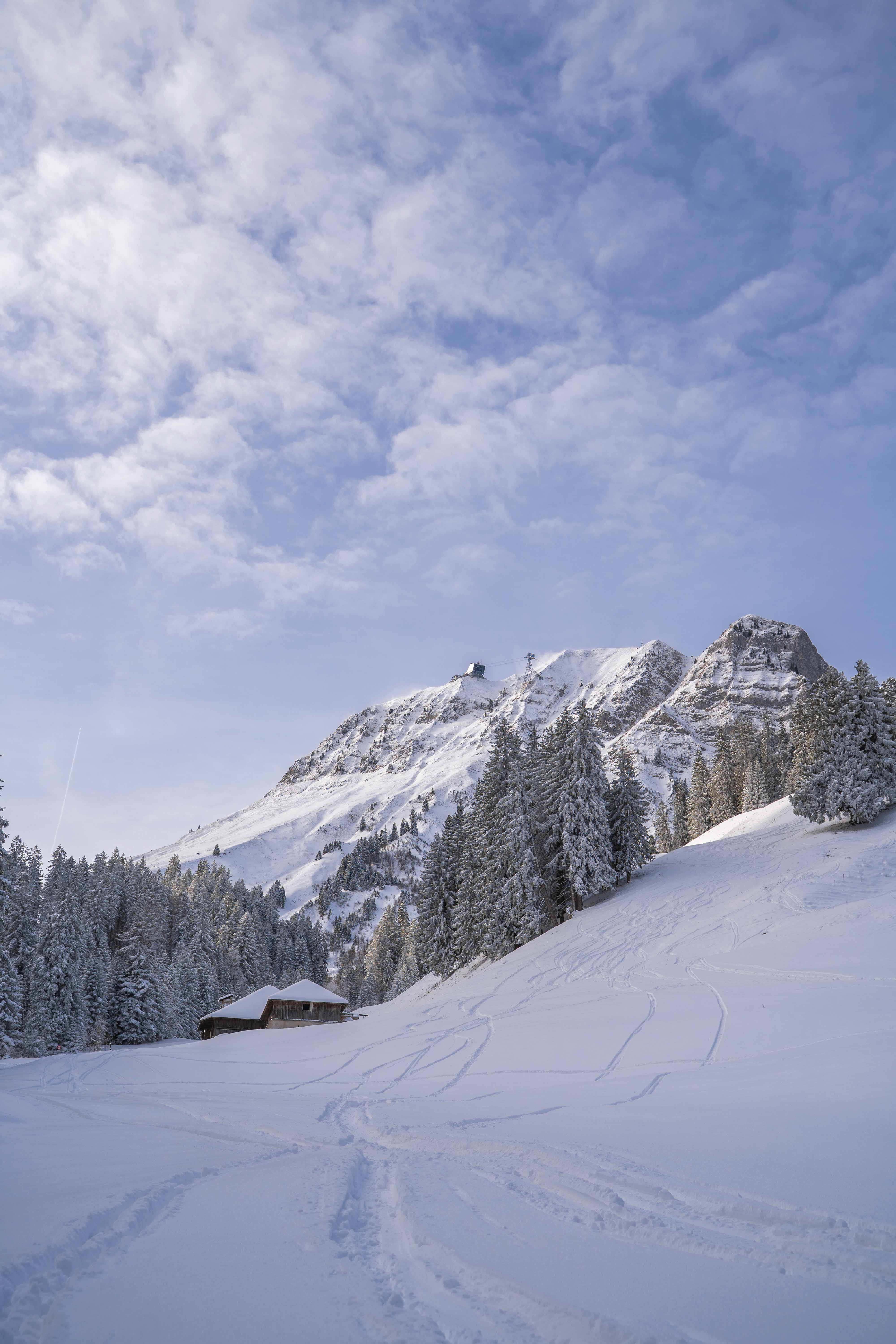
Every prototype is refined in real alpine conditions around Le Moléson until it performs the way it should.
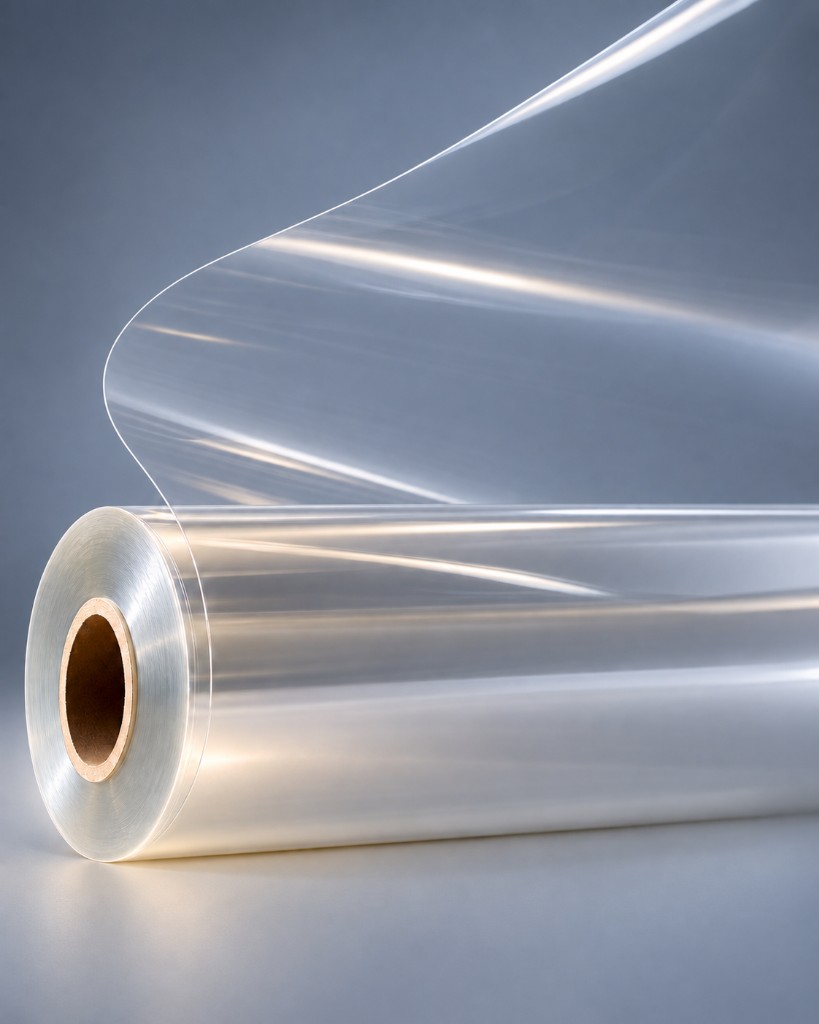
The replaceable skin takes the wear of edges, UV, and transport. Renew it each season so the ski stays in service.
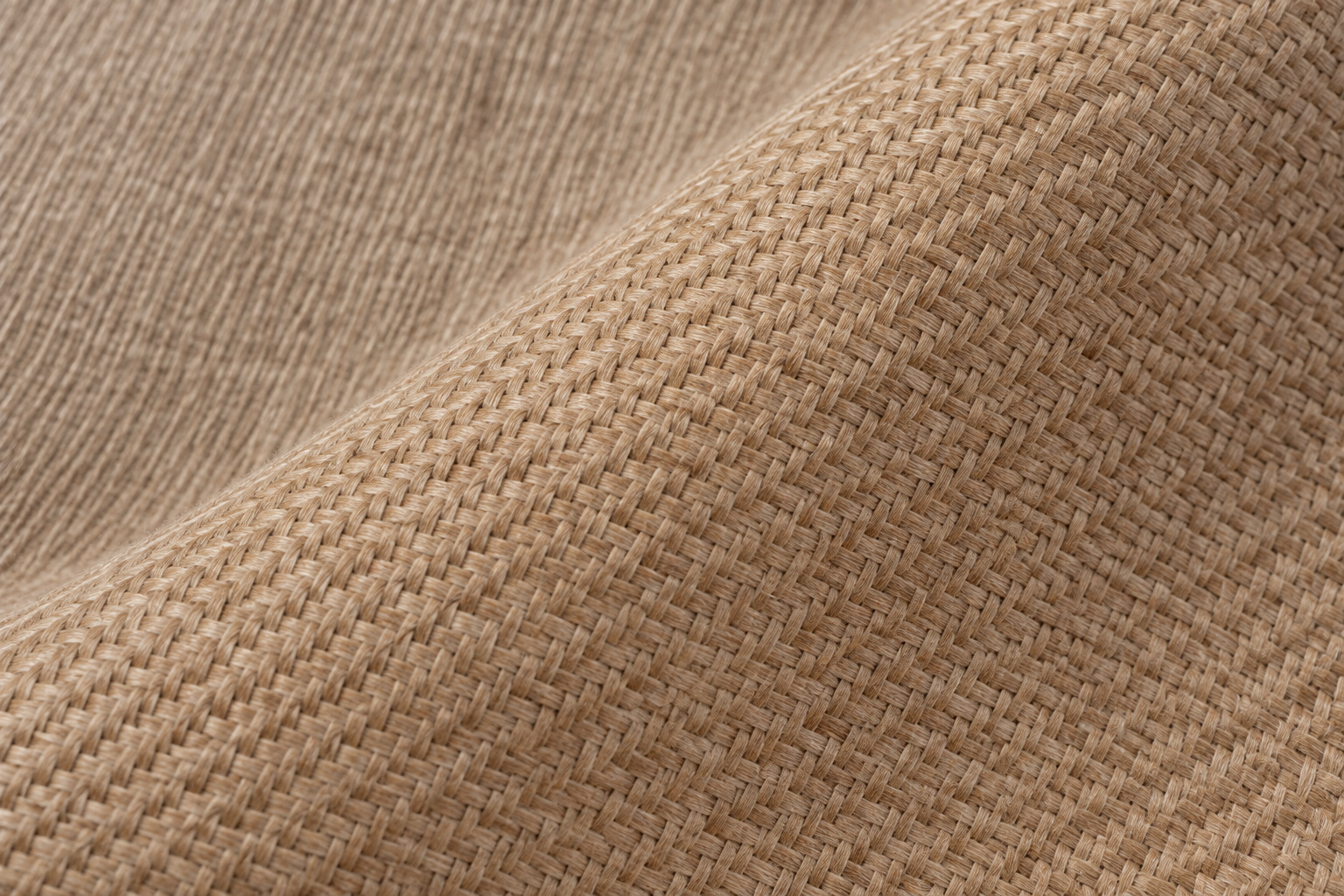
01 — Woven flax. The cloth we lay into the ski instead of carbon.
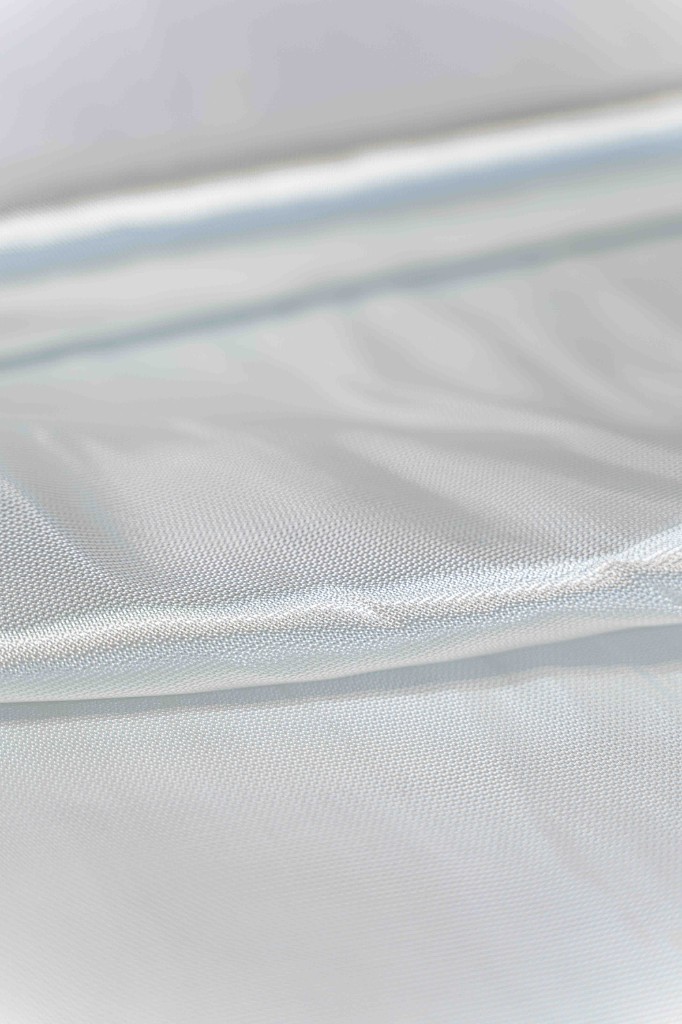
02 — Glass fibre. Fine filaments used with flax to tune strength.
03 — The replaceable skin. A single-material skin you renew each season, chosen so it can be recycled.
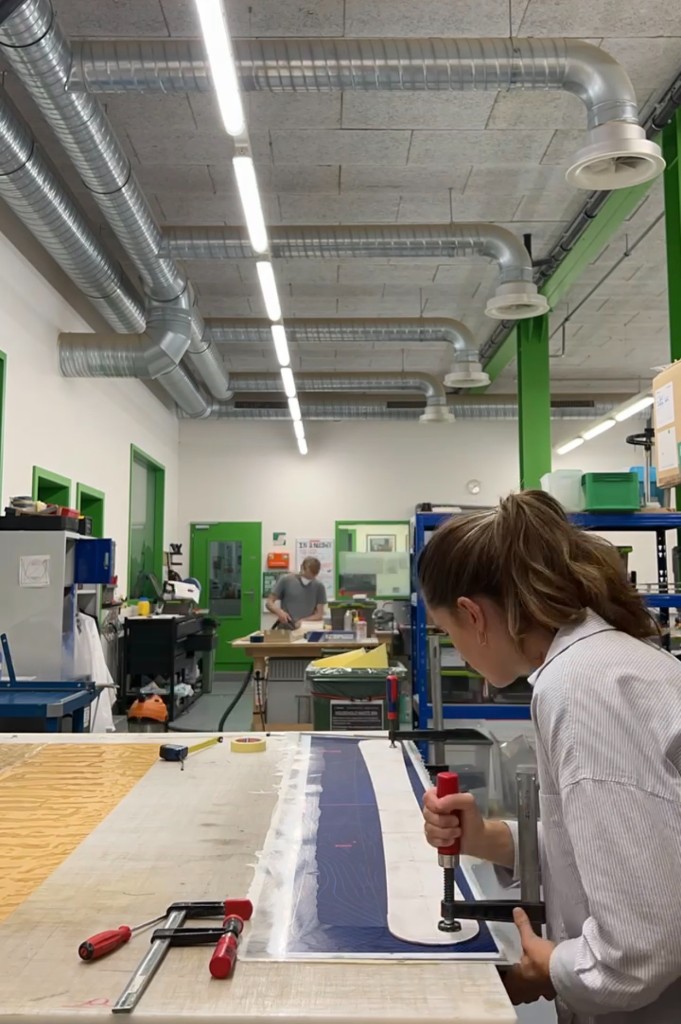
04 — Topsheet. The printed protective sheet under the skin. It carries the graphic and shields the ski from UV and handling.
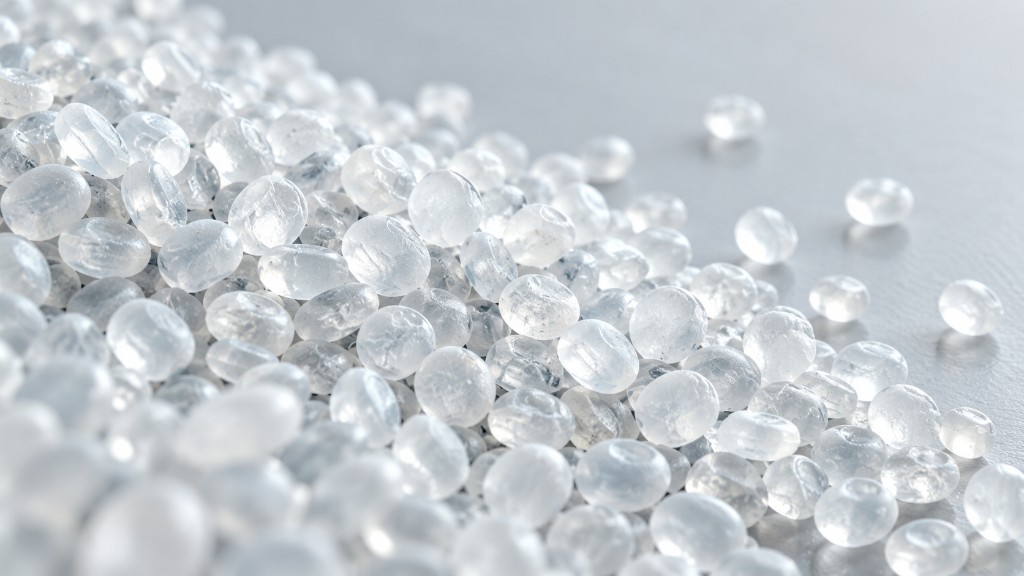
05 — Base. Polyethylene, the material that glides on snow.
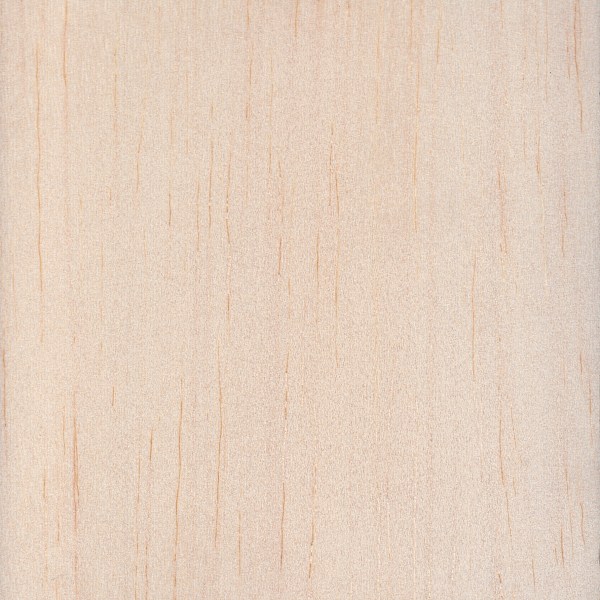
06 — Wood core. Where the ski’s flex and rebound come from.
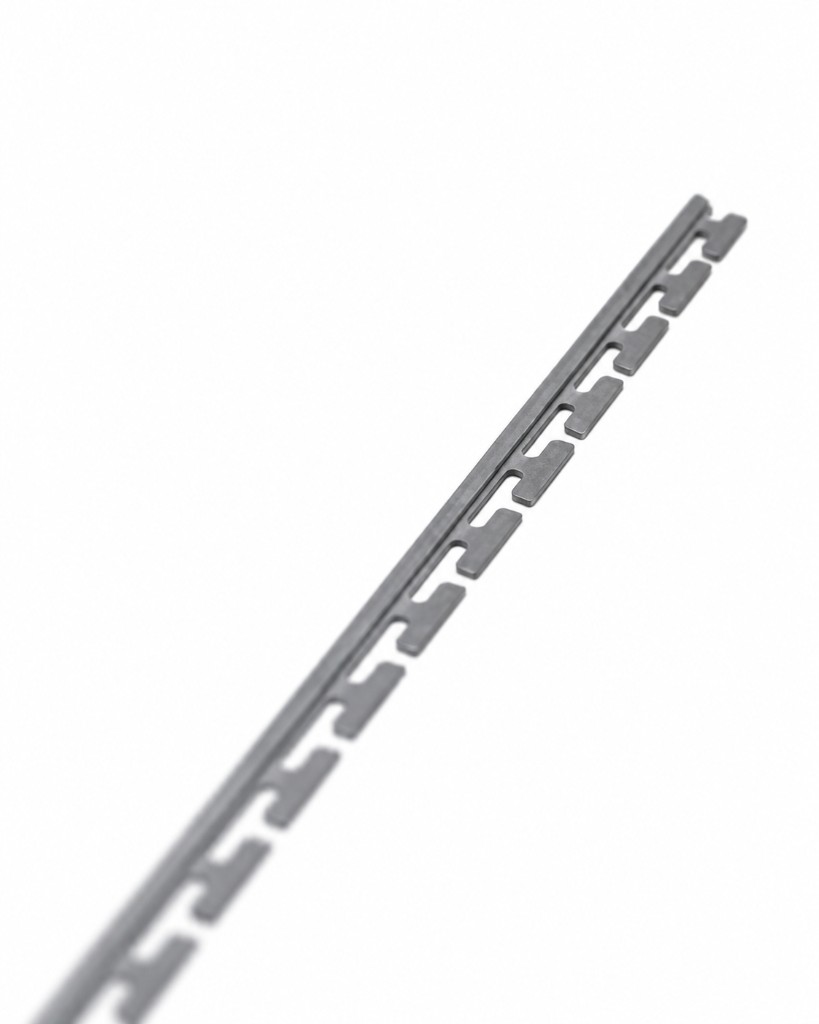
07 — Steel edges. A thin band of hardened steel for bite on hard snow.
Flax naturally absorbs vibration, meaning less chatter on hard snow, more stability in variable conditions, and less fatigue over a full day. Peak2002 uses a flax and glass fibre layup instead of carbon fibre. Design intent: flax damping keeps the wide platform calm at speed in chopped snow.
A Peak2002 ski is a flax-reinforced wood core wearing a replaceable skin. Renew the skin each season — our goal is like-new condition without discarding the ski. We are testing this on prototypes now.
Our goal: a ski that stays in like-new condition for three or more seasons when the skin is renewed. We’re testing this on prototypes now.
All Peak2002 skis are developed and tested in Switzerland. Every prototype is refined in real alpine conditions until it performs exactly the way it should.
Not yet. Prototypes are in development. Join the waitlist with your model and length and we’ll write when pre-order opens.