R0 — Refuse: keep the ski you own
The most sustainable ski is the one that doesn't need to be made. We design ours to stay in service for multiple seasons (target, under test).
PEAK2002 SUSTAINABILITY
Our answer begins with flax. Grown in Europe, in rotation with other crops, flax takes up CO₂ as it grows and becomes a strong, light fibre that naturally damps vibration. It reinforces a wood core in a structure we are designing to last for many seasons.
At Peak2002, we also ask: how do we keep the ski you already own in like-new condition, winter after winter?
What wears is the surface, so we made it changeable. When the replaceable skin gets scratched or tired, you renew it and keep the ski. Using a ski longer is one of the most effective ways to reduce its footprint, because most of that impact is created when it is made.
Flax fibre inside, a replaceable skin outside: one ski, built to stay with you.
"R" stands for a step on the R-ladder, also called the 10R model: ten ways to deal with products, from R0 Refuse (best) to R9 Recover (last resort). The lower the number, the less new material and energy it takes.
Most skis skip the top of the ladder. They wear, they get replaced, they get recycled if you are lucky. A Peak2002 ski is designed to stay as high on the ladder as possible.
The most sustainable ski is the one that doesn't need to be made. We design ours to stay in service for multiple seasons (target, under test).
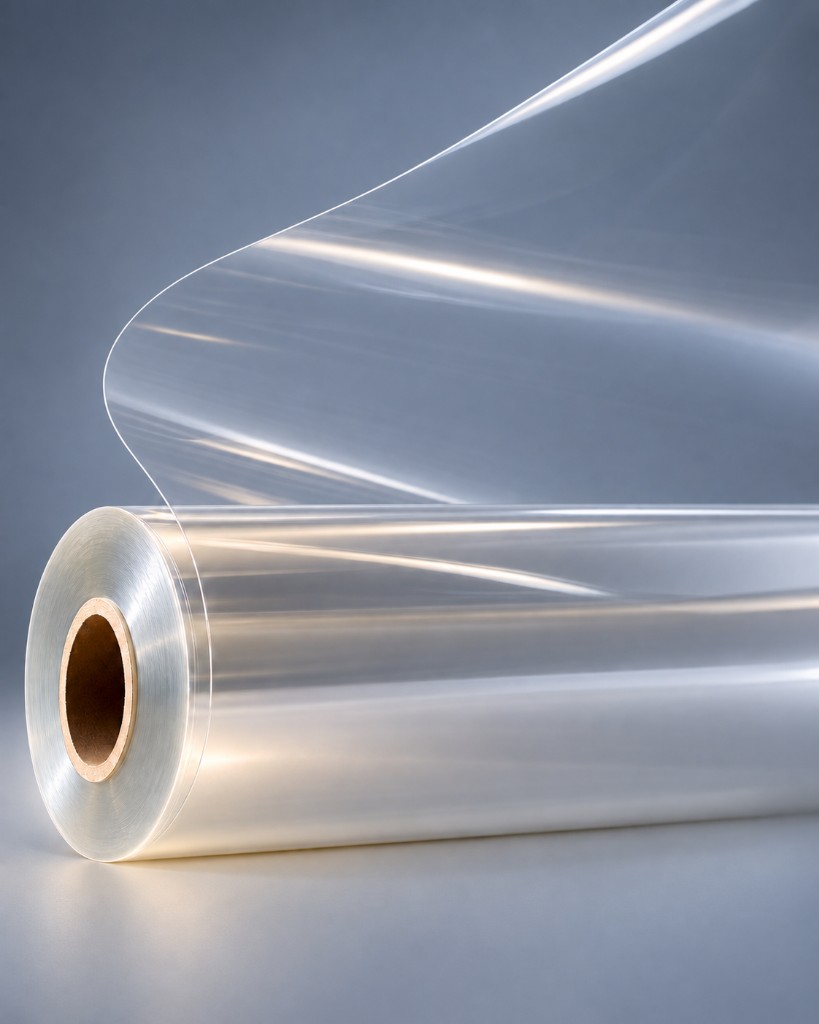
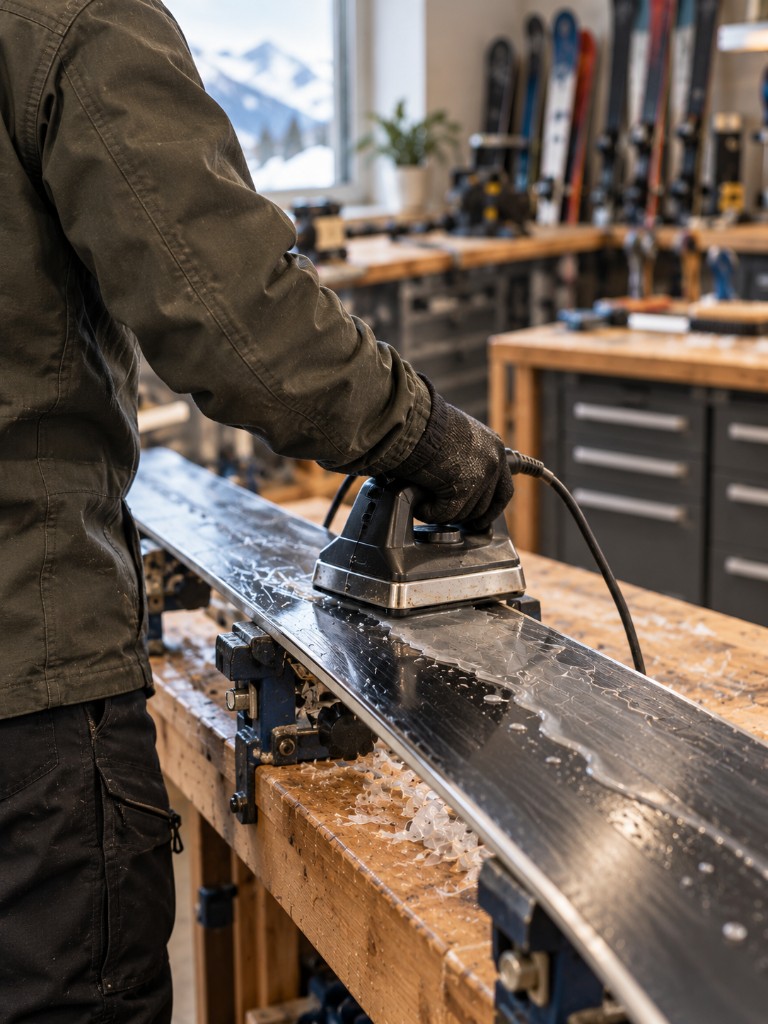
Fix the part that wears, keep the rest. The outer skin takes a season's scratches. Peel it off, put a new one on, and the ski looks new again.
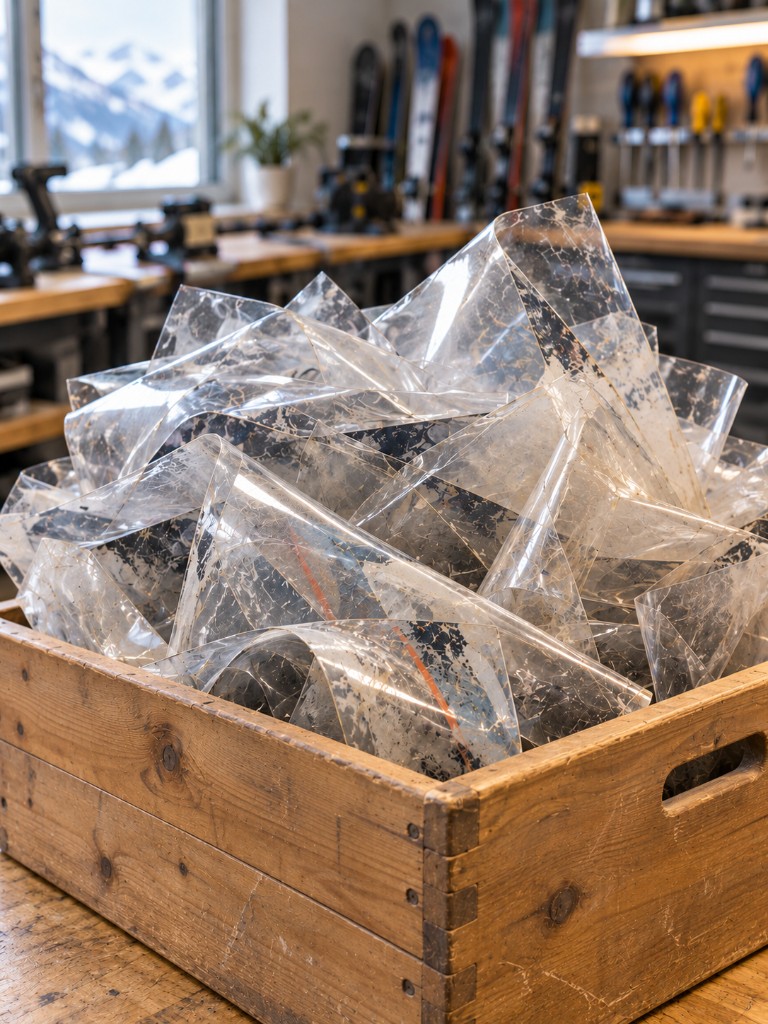
The last step, when nothing else works. The skin is one single material, so it can be recycled as one. Take-back route in preparation.
Every layer has a source. This is where the ski comes from.
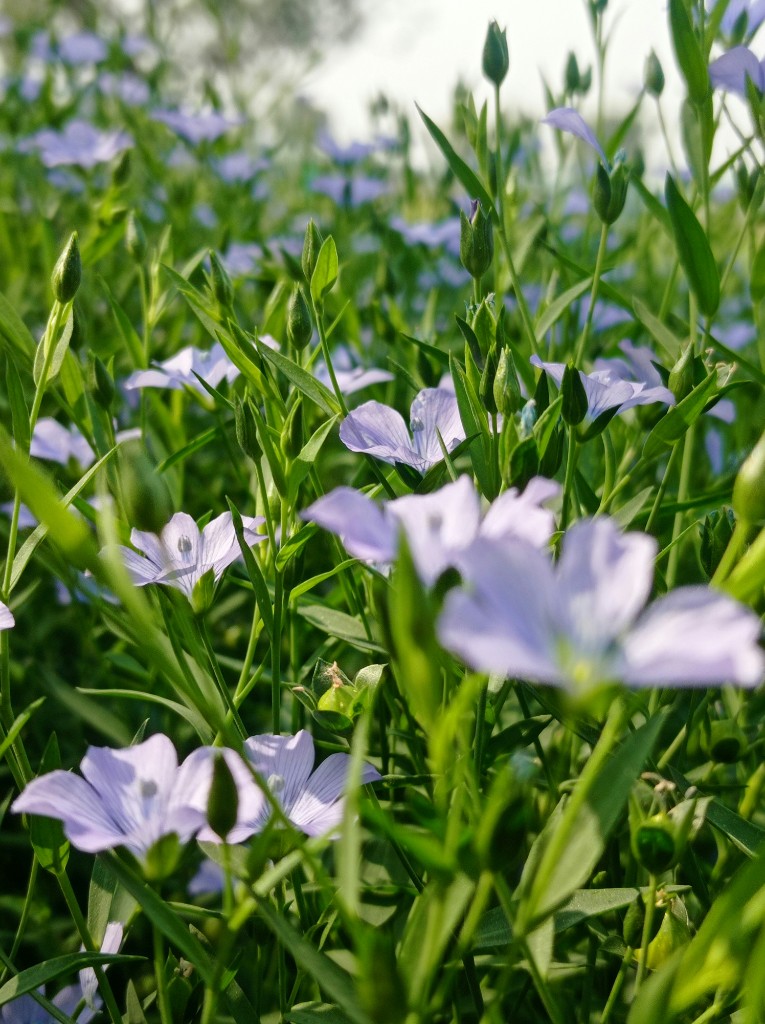
01 — Flax, in the field. Grown in Europe. The plant is harvested, the fibre is extracted, then it can be spun.
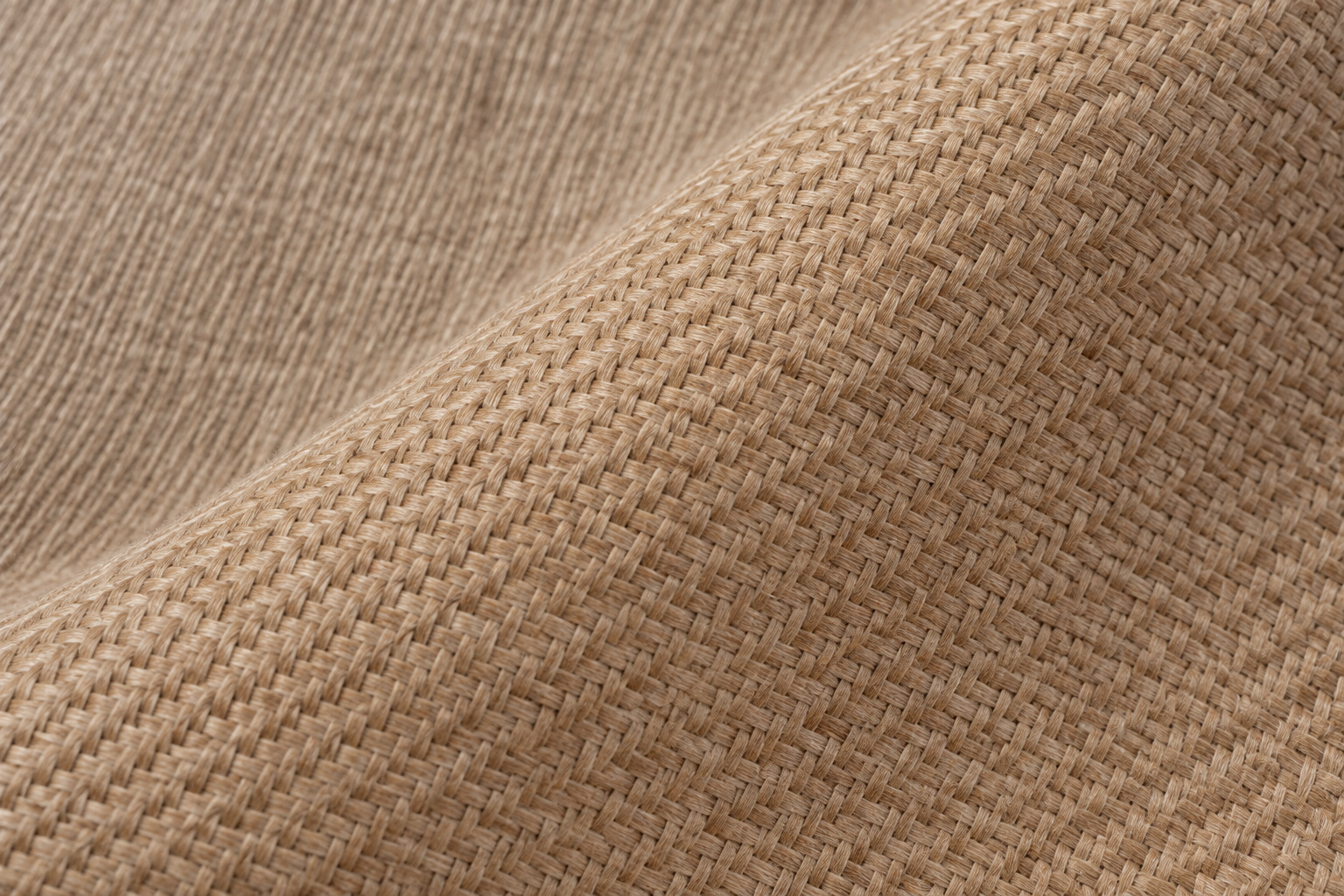
02 — Woven flax. The fibre is woven into cloth, then used with glass fibre instead of carbon. That is the reinforcement we lay into the ski.
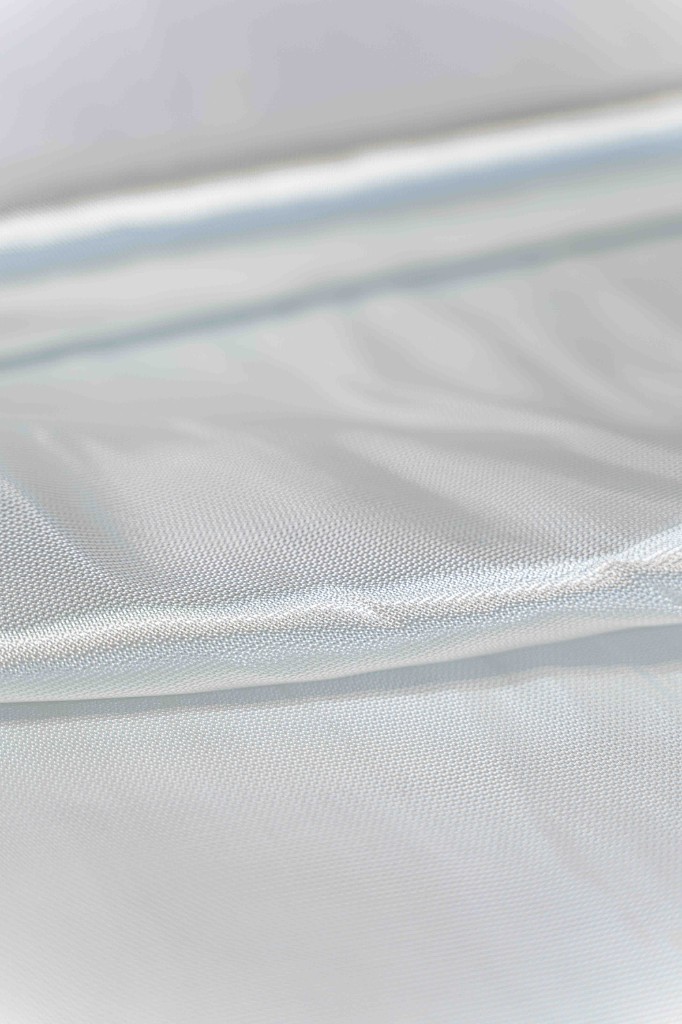
03 — Glass fibre. Melted from sand and minerals, then spun into fine filaments. We use just enough of it alongside the flax to tune the ski’s strength — the flax carries the rest.
04 — The replaceable skin. A single-material surface you renew each season, chosen so it can be recycled — and because you renew it each season, the ski underneath keeps going instead of being replaced.
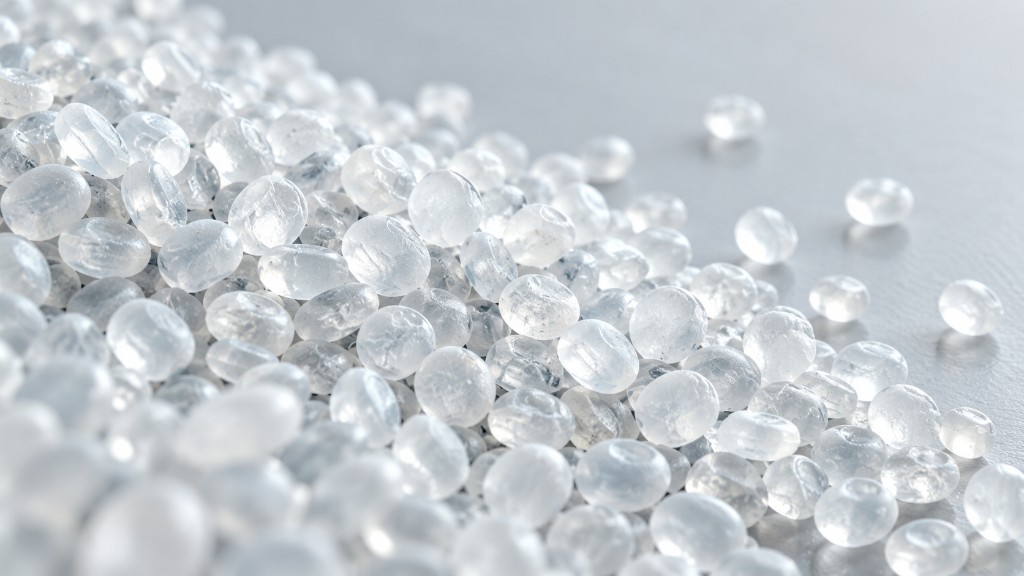
05 — Topsheet & base. The base is polyethylene, the material that glides on snow, and the topsheet seals and protects the ski. Here we choose durability: a base you can repair and re-wax for many seasons.
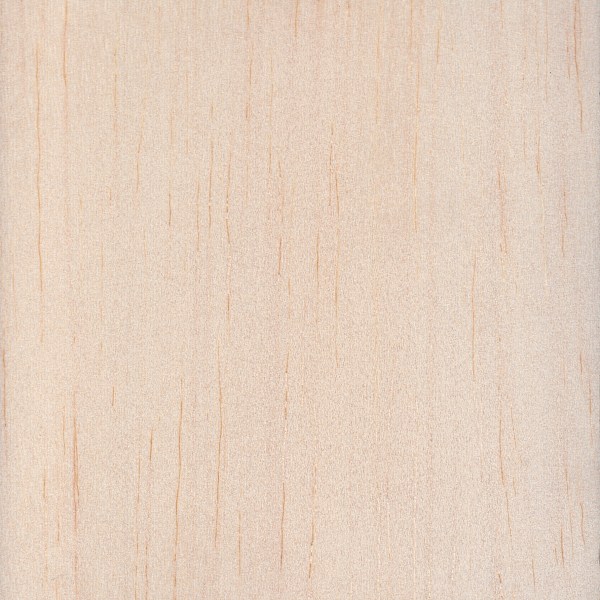
06 — Wood core. The heart of the ski, and where its flex and rebound come from. We’re selecting the European wood that pairs best with our flax–glass layup, and sourcing it close to home.
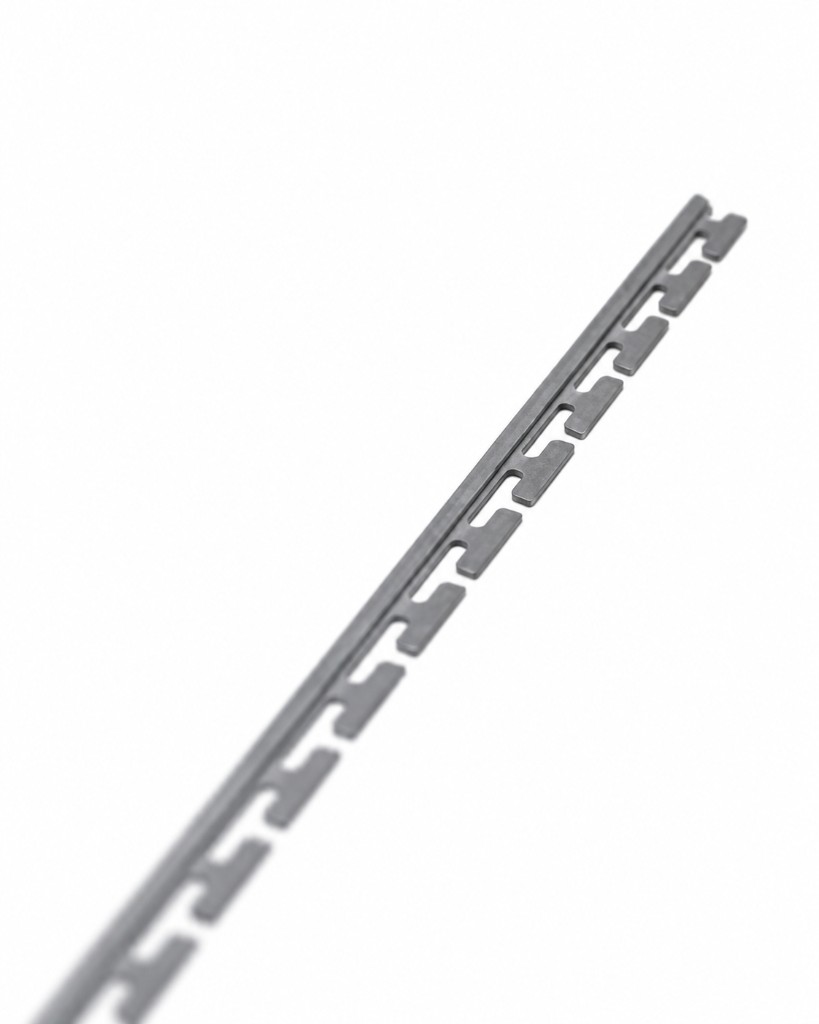
07 — Steel edges. A thin band of hardened steel runs around the ski to bite into hard snow and hold a clean edge. Once it’s laminated in, it becomes part of the ski for its whole life on the mountain.
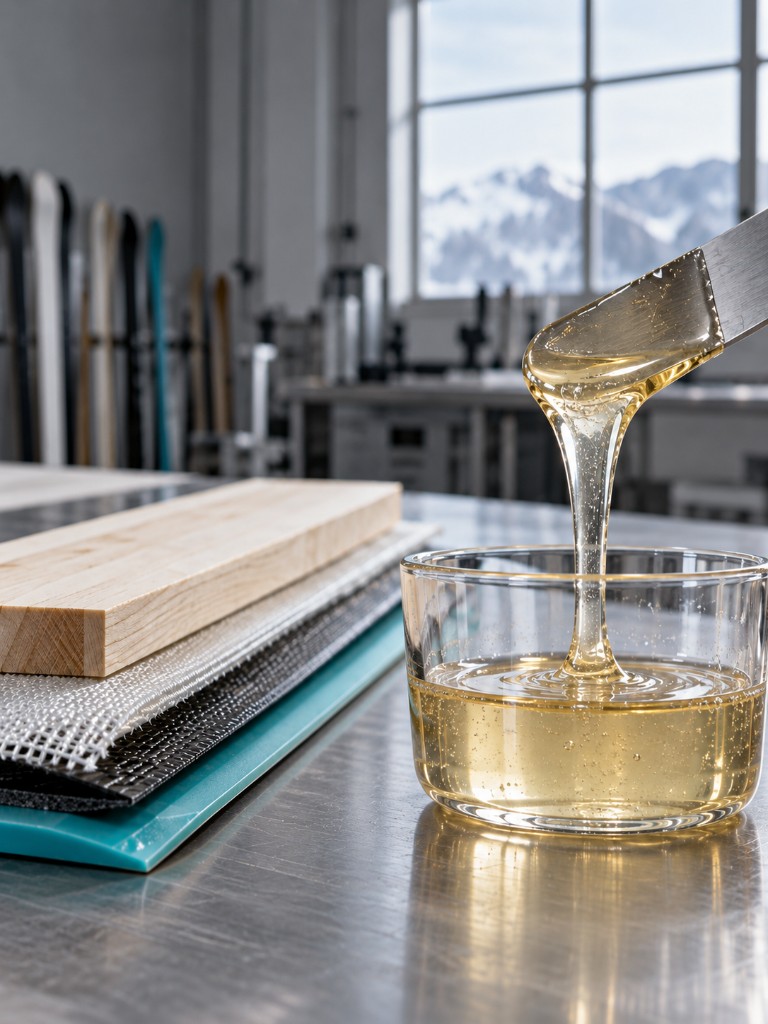
08 — Bio resin. We build with a bio-based epoxy to bind every layer into one ski.
72%
Estimate · LCA in progress
Up to 72%* lower CO₂ in the reinforcement layer vs carbon fibre (material production only).
0%
Carbon fibre content. We use no carbon fibre.
3+
Target · under test
Seasons we're designing for (target, under test).
*Early estimate from literature values for the flax reinforcement versus carbon fibre. Our own life-cycle assessment is in progress. Not a measured result for a production ski.
Flax damps vibration, for a quieter, more composed ride. We're measuring the effect in our own layup. Europe is the world's leading flax producer. Glass fibre adds stiffness and moisture protection; flax brings the damping.
The replaceable skin is designed to be recyclable and renewed each season. The flax-reinforced ski is designed to last multiple seasons so owners do not need to buy a new ski every winter.
A Peak2002 ski is a flax-reinforced wood core wearing a replaceable skin. Renew the skin each season — our goal is like-new condition without discarding the ski. We are testing this on prototypes now.
Our goal: a ski that stays in like-new condition for three or more seasons when the skin is renewed. We’re testing this on prototypes now.
All Peak2002 skis are developed and tested in Switzerland. Every prototype is refined in real alpine conditions until it performs exactly the way it should.